September 29, 2026
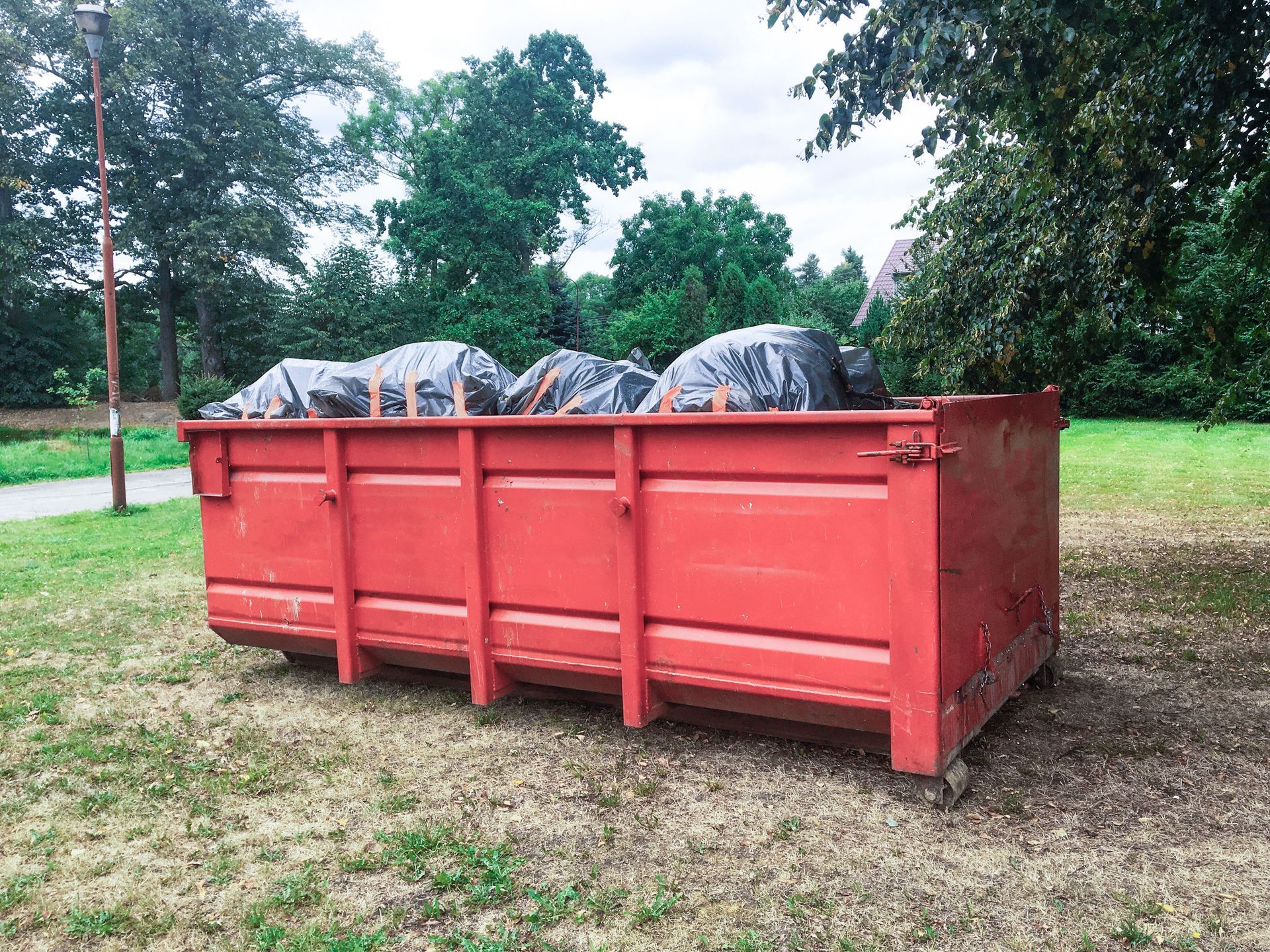
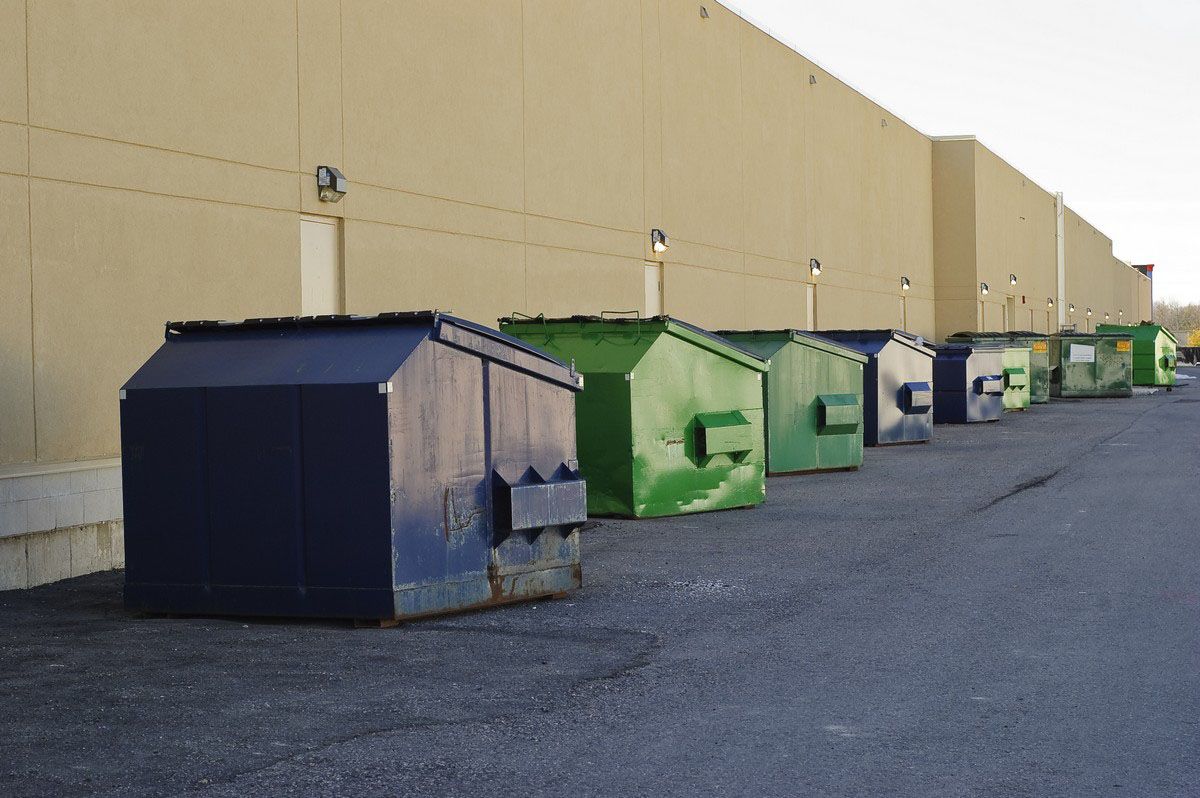
Managing debris on a job site often feels like an uphill battle, especially when modern environmental expectations demand a thoughtful approach to disposal. Construction waste separation is no longer just a nice idea; it is a critical practice that keeps projects running smoothly, protects local ecosystems, and curbs unnecessary expenses. Bringing roll off dumpsters onto a work area offers an effective, streamlined solution to keep different materials properly sorted from start to finish. When crew members have distinct containers ready for specific items, maintaining order becomes second nature. Investing in solid container placement keeps job sites clean, safe, and aligned with sustainable practices without complicating daily routines.
Establishing an Early Waste Management Framework
Setting up designated roll off dumpsters right from day one establishes a straightforward framework for waste sorting. When workers know exactly where wood, concrete, metal, or general trash belongs, sorting becomes an integrated part of the building workflow rather than an afterthought. Grouping waste types by container prevents mixed loads that often end up straight in a landfill. Having ample container capacity on-site encourages continuous sorting, keeping workers focused on construction while maintaining an orderly layout across the entire property. In addition, clear signs attached to each vessel ensure that subcontractors and daily labor teams stay aligned on proper disposal practices throughout every phase of site development.
Maximizing Material Recovery and Recycling Rates
Proper material division directly impacts how much waste can actually be recovered and repurposed. According to a 2025 peer-reviewed review published in Cleaner Waste Systems, construction and demolition waste represents an estimated 25% to 40% of all solid waste worldwide, highlighting the importance of separating and managing debris generated by construction projects. Placing dedicated roll off dumpsters on a site ensures that clean timber, scrap metal, and masonry remain unmixed and ready for processing centers. Avoiding cross-contamination means processors can turn those discarded items into new usable resources, reducing demand for raw harvesting. Every load delivered cleanly to regional processors strengthens circular economy networks while substantially lightening the load placed on overburdened community landfills.
Enhancing Site Safety and Hazard Reduction
Site safety improves dramatically when debris is promptly collected and sorted into roll off dumpsters. Loose nails, splintered boards, sharp metal fragments, and heavy concrete chunks present severe tripping and injury hazards if left lying around. Maintaining clean pathways keeps laborers safe and keeps daily operations moving without unnecessary interruptions. Containers with sturdy, low-slung sides make loading heavy debris simple, reducing physical strain on workers who are moving heavy material across the site all day long. Keeping high-traffic pathways free of random debris piles minimizes workplace hazard claims, boosts worker efficiency, and creates an organized atmosphere that project inspectors appreciate during routine walk-throughs.
Optimizing Job Site Layout and Transport Efficiency
Choosing roll off dumpsters provides the spatial flexibility needed for active, fast-moving building sites. Unlike fixed storage structures or rigid collection systems, these sturdy bins can be delivered directly to strategic zones where specific tasks occur. Placing a bin next to framing operations catches wood scraps immediately, while another near masonry handles concrete and brick. This strategic placement cuts down on foot transport time across the job site, letting crew members dump materials quickly and get right back to work. As construction progresses from rough structural framing to interior finish work, repositioning containers around the perimeter ensures convenient waste disposal points remain accessible for every specialized crew on site.
Reducing Disposal Costs and Avoiding Penalties
Keeping materials separate using roll off dumpsters can significantly improve project bottom lines. Landfills and sorting facilities charge fees based on weight and material composition, often assessing extra charges for mixed, unsorted loads. By keeping recyclable materials like clean wood or steel in dedicated bins, project managers can often secure lower disposal fees or even earn credits from recycling facilities. Avoiding mixed load penalties keeps project budgets predictable and helps stretch operational dollars further. Over the course of a multi-month project, those avoided surcharges add up to substantial cost savings that can be redirected toward premium building supplies or operational reserves.
Streamlining Regulatory Compliance and Record Keeping
Regulatory compliance is another major advantage of utilizing roll off dumpsters for site waste management. Local municipalities and state environmental agencies continue to enforce stricter guidelines regarding construction waste disposal and landfill diversion goals. Having dedicated containers makes it easy to track, document, and report the precise volume of waste being diverted from local landfills. Detailed documentation protects contractors during routine site inspections and demonstrates a verifiable commitment to local environmental guidelines. Furthermore, maintaining clear disposal records helps build positive relationships with local planning boards, smoothing the way for permits on future commercial or residential builds.
Preventing Waste Stream Cross-Contamination
Preventing cross-contamination of materials is essential for successful recycling outcomes. When liquids, hazardous chemicals, or general trash mix into bins meant for clean masonry or timber, entire loads can be rejected at recovery facilities. Utilizing roll off dumpsters with clear labeling keeps distinct waste streams completely isolated from one another. Keeping materials clean from the point of disposal ensures that items intended for recycling actually reach facilities capable of turning them into new building products. Establishing strict oversight on container usage prevents careless dumping, protecting the purity of each sorted material batch and guaranteeing that target recycling rates remain consistently high.
Supporting Green Building Certifications and Sustainable Goals
Using roll off dumpsters helps project teams meet stringent green building standards and earn valuable points toward certifications like LEED. Recognized sustainability programs require accurate tracking of waste management outcomes, including exact figures on diverted waste percentages. Having separated bins simplifies the measurement process, making it easy to haul, weigh, and log specific waste types individually. Achieving these green targets strengthens a firm's reputation and attracts environmentally conscious clients who value responsible building practices. Modern property developers increasingly favor building partners who incorporate verified sustainable practices, turning on-site waste separation into a powerful marketing tool for future contract bids.
Ensuring Heavy-Duty Durability and Containment
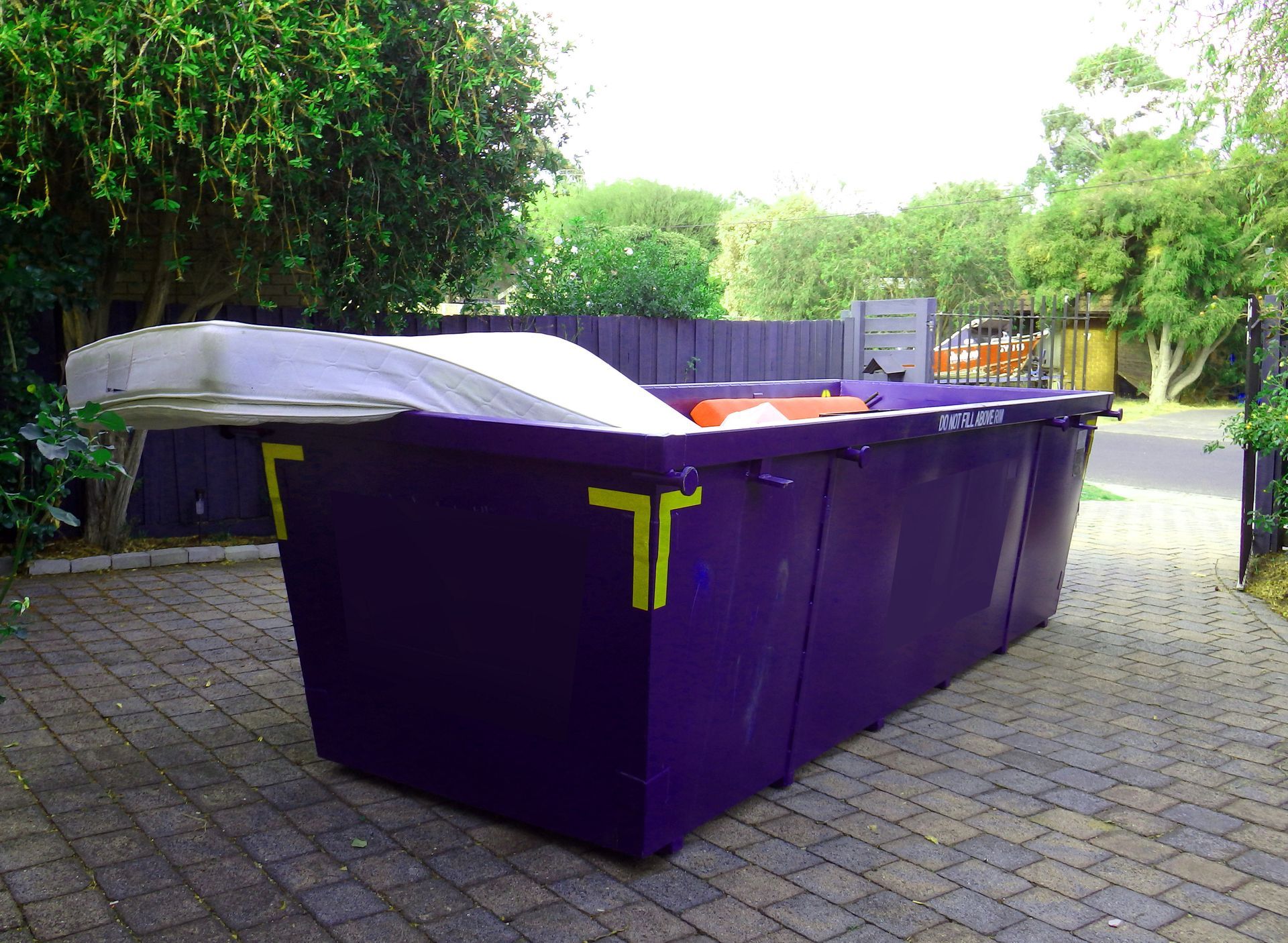
Managing large-scale build sites requires reliable equipment that handles heavy loads day after day without breaking down. Roll off dumpsters feature heavy-duty steel construction designed to withstand sharp scrap metal, heavy concrete blocks, and massive volumes of general demolition debris. Their rugged design ensures that materials remain securely contained regardless of weather conditions or rough site handling. This durability prevents leaks, tears, or structural failures that could cause site contamination or costly cleanups. Having dependable containers on hand means site managers spend less time worrying about equipment failures and more energy managing active project timelines.
Maintaining Continuous Workflow with Flexible Logistics
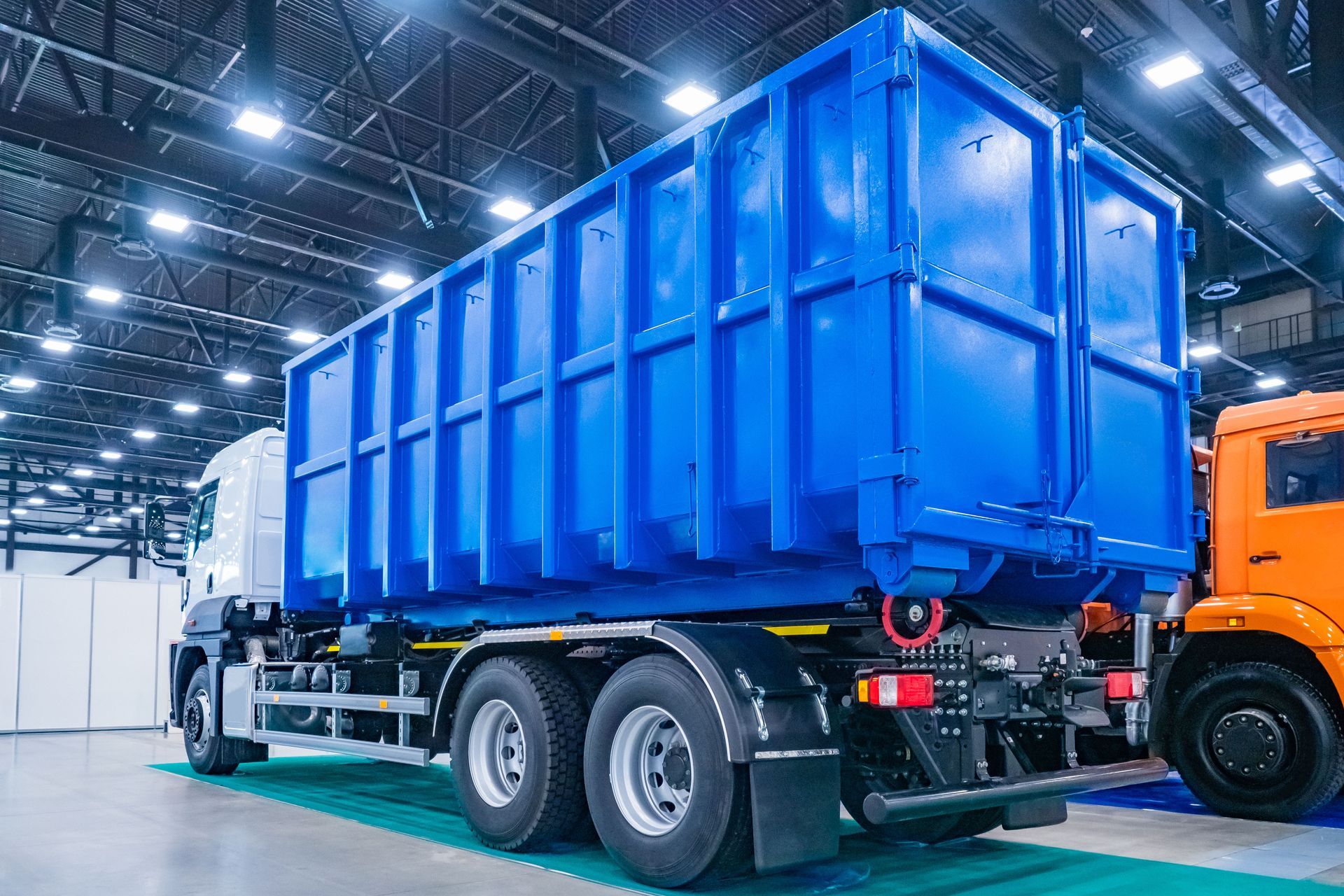
Efficient logistics and flexible swap-out schedules make roll off dumpsters an ideal choice for fast-moving construction timelines. As individual containers fill up with separated waste, haulers can quickly retrieve full bins and replace them with fresh ones without halting work on the ground. Seamless bin exchanges keep sorting programs running uninterrupted from initial site clearance through final finishing touches. Maintaining steady waste removal prevents unsightly overflows and keeps job sites organized, professional, and fully operational. Responsive hauling coordination prevents bottlenecks, allowing site leaders to maintain high momentum during tight project delivery windows.
Implementing structured waste separation using roll off dumpsters turns an everyday operational headache into an efficient, eco-friendly process. Sorting waste at the source keeps job sites safer, reduces disposal expenses, preserves raw resources, and ensures full compliance with local regulations. Keeping materials divided protects both site worker safety and project timelines, making proper container management a cornerstone of modern construction strategy. To keep your next project organized, clean, and fully compliant, contact Roll Off Joe today to schedule reliable container drop-offs tailored to your specific site requirements.